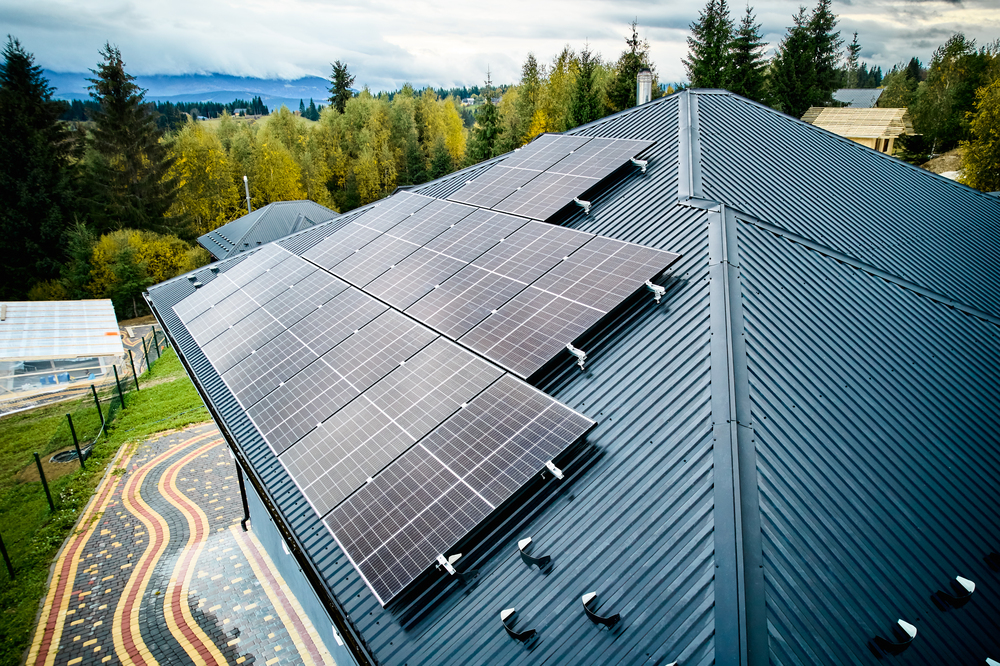
Solar power in South Africa has a distinct seasonal pattern, with summer characterised by long, sun-filled days that lead to high energy production. In contrast, winter presents shorter daylight hours, resulting in reduced solar output. Despite these seasonal changes, solar systems maintain reliable performance throughout the year, ensuring that energy generation does not cease during the colder months.
By understanding the seasonal variations of solar energy, homeowners can optimise their systems for maximum efficiency. This knowledge allows for better planning and management of energy use, ensuring a consistent power supply regardless of seasonal changes. Embracing solar energy in South Africa not only supports sustainability but also enhances energy independence year-round.
Solar Generation: Summer vs Winter in South Africa
Solar systems in South Africa experience a significant reduction in energy generation during winter, producing between 30% and 65% less energy compared to summer months. This seasonal fluctuation is primarily influenced by changes in sunlight availability and weather conditions.
In peak summer months, such as January, solar systems can generate nearly double the daily kilowatt-hours (kWh) compared to winter months like June, thanks to longer days and increased solar intensity. Despite the decrease in energy production during winter, solar systems can still provide meaningful energy, especially on clear days. When designed effectively, these systems can meet essential household energy needs even in the colder months.
Daylight Hours and Sun Angle
Daylight duration is crucial for solar energy performance, with South Africa experiencing over 14 hours of sunlight daily in summer, which significantly enhances energy generation. However, in winter, daylight hours decrease to approximately 9 to 10 hours, limiting solar production time.
Additionally, the sun’s angle impacts solar panel efficiency. In winter, the sun’s lower position results in reduced direct sunlight on the panels, leading to decreased irradiance and overall energy output. To counteract this, adjusting the tilt of solar panels to a steeper angle during winter can optimise energy capture by better aligning the panels with the sun’s trajectory. This adjustment can help maximise solar energy production even in less favourable conditions.
Weather and Regional Differences
Seasonal weather patterns play a crucial role in influencing solar energy output in South Africa. During the summer months, the weather is typically stable and sunny across most regions, which facilitates consistent energy generation from solar panels. This reliability makes summer an optimal time for solar energy production. Whereas, winter brings increased variability, especially in coastal areas like Cape Town, where heightened rainfall and cloud cover can lead to a significant drop in solar energy production. This variability underscores the challenges faced by solar energy systems during the winter season.
Inland regions, such as Gauteng, experience drier and sunnier winters, which allows for more stable solar performance despite the shorter daylight hours. This contrast emphasizes the importance of geographical location when assessing seasonal solar output, as different areas can experience vastly different conditions that affect energy generation. Understanding these regional differences is essential for optimizing solar energy strategies throughout the year.
Advantage of Cooler Temperatures
Winter, despite having reduced sunlight and shorter days, offers cooler temperatures that can enhance the efficiency of solar panels. While high heat can negatively impact panel performance by reducing their ability to convert sunlight into energy, cooler conditions allow panels to operate more efficiently. This means that even though there is less sunlight available overall, the energy that is captured can be converted more effectively.
As a result, clear and sunny winter days can still deliver strong and reliable energy output. Although total daily production remains lower compared to summer due to fewer daylight hours, solar systems are still capable of generating meaningful power. This demonstrates that solar energy remains a dependable solution during winter, with the right conditions allowing for consistent performance despite seasonal limitations.
A Reliable Year-Round Energy Solution
Solar energy in South Africa remains valuable throughout the year, despite higher production levels in summer. Winter does not significantly impact the effectiveness of solar systems, which continue to deliver reliable and efficient power even during colder months. With appropriate system design, regular maintenance, and strategic energy usage, solar energy proves to be a dependable solution for reducing electricity costs and achieving energy independence across all seasons. This highlights the resilience and adaptability of solar technology, making it a viable option for sustainable energy management year-round.