Investing in solar energy offers significant long-term cost savings and enhances the reliability of the electricity supply, especially in South Africa, where load shedding is a common challenge. The increasing frequency of extreme weather events heightens the risk of prolonged power outages, making solar energy an increasingly reliable option. Although the upfront costs of solar technology can be significant, the investment not only enhances property value but also plays a crucial role in reducing one’s carbon footprint. This makes solar energy a responsible choice that benefits both individual homeowners and the environment.
Household Power Expenses
Before deciding to install solar power, it’s crucial to evaluate several important factors. Start by assessing the size of your household, which includes both the physical space of your home and the number of residents. This evaluation will help you determine your energy needs effectively. Next, take a close look at your average electricity usage to gauge how much solar energy you will require for your household.
Additionally, it’s important to examine the dimensions of your roof. This will help you understand how many solar panels can fit and whether your roof can support their weight. Lastly, familiarise yourself with the compliance and regulatory requirements specific to your local municipality, as these can significantly influence the installation process. By considering these factors, you can ensure a more informed and successful transition to solar energy.
Household Electricity Usage

Understanding your electricity consumption is essential for determining the specifications of a solar power system. One unit of electricity is measured as 1 kilowatt hour (KWh), which reflects consumption rather than power usage. To find your average monthly electricity usage, track your consumption over a year, sum the readings, and divide by 12. This annual average can then be divided by 30 to calculate daily usage. Additionally, dividing this daily figure by 5.5 accounts for the average sunny hours per day in South Africa, helping to clarify your solar panel requirements. Typically, an average household may need between six and fourteen 455W solar panels based on these calculations. However, it is crucial to consult with a professional for personalised advice before finalising your solar system setup.
Assess Your Roofing
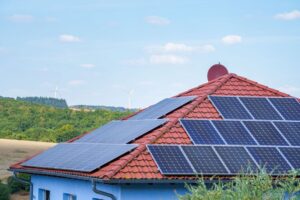
Solar panels must be positioned in the same direction to maximise sunlight absorption, with the optimal direction being the north. The roof of a house serves as the foundation for the solar system, and simpler roof designs, like pitched roofs, facilitate easier installation compared to more complex shapes, such as U-shaped roofs. While flat roofs may seem ideal, they can also require additional structures or mountings to achieve the best positioning for solar panels.
The choice of roofing material is crucial for solar panel installation. Tiled roofs are the most common and suitable for solar panels, followed closely by corrugated iron roofs. In contrast, thatched roofs are not advisable due to their flammability, which poses safety risks for solar installations. Overall, careful consideration of roof design and materials is essential for effective solar energy harvesting.
Regulatory Compliance
The growing trend of solar energy adoption among households has led local authorities and Eskom to introduce mandatory registration and procedures for solar system installations. While these regulations may seem stringent, they are crucial for ensuring the safety of electrical systems. Adhering to these guidelines is not only wise but also essential to prevent complications with homeowner’s insurance. Homeowners whose solar installations do not comply with the standards for Small Scale Embedded Generation face the risk of penalties or even losing their insurance coverage. The City of Cape Town is leading the way in these regulatory initiatives, having implemented effective measures to oversee solar system installations.
Go The Ultra-Power Way

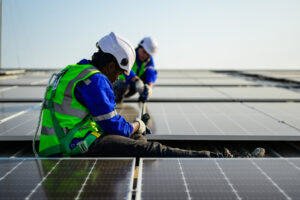
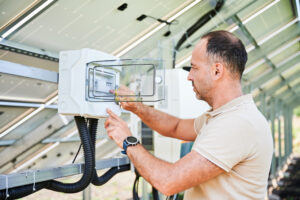
Ultra Power is committed to providing the highest quality products and services, and we strive to make the process of going solar as easy and stress-free as possible. As sole distributors for the Mobiplug brand, Ultra Power keeps up to date with technological advances directly from a leading manufacturer with a global footprint. Unlike other providers, we do our own installations. Our installation team is highly qualified and well-trained on various solar products. All our teams are PV Green Card-certified. Our team of trained professionals will guide you from your very first stage of converting to solar. From site evaluation and system design to installation and commissioning, we have you covered.
Selecting a supplier for solar installation requires careful consideration beyond just choosing a provider. Due to regulatory and safety concerns, solar installation is not a do-it-yourself project. It is advisable to hire a registered installer with a verifiable track record, which can be confirmed by asking for references. Reputable installers should provide a Certificate of Compliance from an independent inspector, ensuring that the installation meets necessary standards. Additionally, a reliable contractor will guarantee that the equipment comes with relevant warranties and guarantees, offering peace of mind to the homeowner.
Costs & Pricing
Starting your solar or backup power journey doesn’t have to be overwhelming or costly. With a range of affordable options available, you can choose the plan that best suits your financial situation. Whether you prefer a Rental, Rent To Own, or outright purchase option, there’s a solution designed to make your move toward sustainable energy both flexible and achievable. Additionally, you have the freedom to explore various financing options or even use your own financing method if that works better for you. This flexibility ensures that every homeowner can find a path that fits their budget and lifestyle, making the transition to solar or backup power simpler, smarter, and more accessible than ever.
Long-term Investment
Investing in a solar-powered setup may involve higher initial costs, but these expenses can be balanced out by the savings on monthly electricity bills. Our solar packages offer modular solutions that can be easily upgraded, either by the company or the customer, ensuring flexibility and adaptability. Our products are readily available in leading retail stores, making them accessible to a wide audience.
We offer an end-to-end service model, which includes importing, distributing, installing, and servicing their products directly. This approach ensures enhanced service quality and greater reliability for customers. Committed to providing world-class customer service, the company aims to ensure that every customer experience is smooth and stress-free.