In the year 2024, the Eskom end-of-year statistics have identified and evaluated an uninterrupted power supply experienced throughout the year. An official announcement on November 22 revealed that load shedding has been paused for an extraordinary 240 days since March 26, 2024. This achievement represents a significant milestone for both the utility provider and it’s customers, showcasing a newly found stability in energy supply.
The implications of this uninterrupted power supply are quiet beneficial, particularly for the economy. Businesses, industries, and households have benefited from the absence of the frequent disruptions that have historically affected the nation. Notably, the savings on diesel have reached R16.33 billion, reflecting a 71.2% decrease compared to the previous year’s expenditure of R22.94 billion. This reduction not only alleviates Eskom’s financial strain but also signals a transformative approach to energy management.
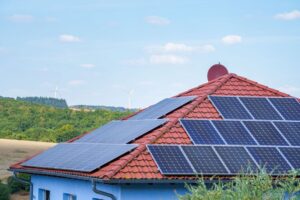
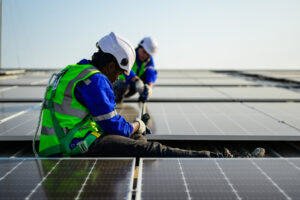
Energy analyst Chris Yelland has praised Eskom’s advancements, acknowledging the reduction in unplanned outages and the enhancement of energy availability. However, he emphasizes the crucial impact of private solar energy adoption in relieving the grid’s demand. The widespread embrace of solar power by South Africans has played a pivotal role in allowing Eskom to focus on essential maintenance, as evidenced by a notable decline in unplanned outages, which averaged 10,478MW this past week, a significant improvement from 16,367MW during the same timeframe last year.
Increased Operational Efficiency
The recent improvement in operational efficiency has led to a reduction in downtime, allowing for more scheduled maintenance and an increase in generation capacity. This positive trend is evident in Eskom’s Energy Availability Factor (EAF), which averaged 64.5% over the last week. High-performing plants such as Medupi, Kusile, and Matla have surpassed an EAF of 70%, showcasing their enhanced performance.
The year-to-date EAF is recorded at 63.1%, a significant rise from the 55.5% noted during the same timeframe in 2023. This upward trajectory indicates a concerted effort to improve energy availability and reliability within the utility. However, industry experts, including Yelland, advise a measured approach in interpreting these results.
Despite these advancements, Eskom continues to grapple with several persistent challenges. The ageing coal-fired power plants, weaknesses in the transmission network, and ongoing issues such as vandalism, theft, and illegal connections remain significant hurdles that could impact future performance and stability.
The Future of Power Supply

Although these advancements offer a ray of optimism, significant challenges remain. Problems at the local level, including unauthorized connections, acts of vandalism, and tampering with meters, continue to put pressure on the network. These issues frequently require the implementation of load reduction strategies to avert the risk of overloading and potential damage to transformers. The ongoing struggle against these local challenges underscores the need for continued vigilance and proactive measures to ensure the stability and integrity of the network.
Eskom has made significant progress in stabilizing the power grid and rebuilding public trust, but the sustainability of these improvements hinges on ongoing investments, effective maintenance strategies, and the integration of cutting-edge energy technologies.
Concurrently, the rise of private solar energy systems highlights the necessity of diversifying the energy portfolio in South Africa, which is crucial for enhancing energy resilience and independence. The last 240 days have showcased the collective efforts of a struggling utility seeking reform alongside a populace increasingly proactive about their energy security.
Road to Stabilization
The utility has achieved remarkable progress in stabilizing the energy grid and regaining the trust of the public. This improvement has brought a sense of hope for a more reliable energy supply, but maintaining these gains will require consistent effort. To keep the grid stable and dependable, the utility must continue investing in its infrastructure, implement effective maintenance strategies, and adopt advanced energy technologies. These steps are crucial not only to prevent setbacks but also to meet the growing energy demands of the country while minimizing disruptions. Without these actions, the progress made so far could be at risk, jeopardizing the confidence and trust that have been carefully rebuilt.
At the same time, the growing number of private solar installations across South Africa highlights the urgent need to diversify the country’s energy system. This shift toward renewable energy solutions shows that more people are looking for alternatives to meet their energy needs. It also emphasizes the importance of integrating these private solutions into the broader energy framework to create a system that is both flexible and sustainable. The critical challenge lies in ensuring that the progress achieved so far continues, allowing South Africa to move toward a future where energy is more reliable, accessible, and environmentally friendly for all its citizens.