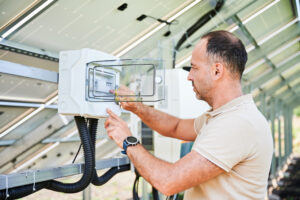
Inverters play a crucial role in backup power systems, acting as the core component that converts and manages energy. Various methods exist for generating backup power, including solar, wind turbines, batteries, and grid connections. The choice of inverter is essential, as it must align with the specific power system being utilized. Understanding the differences between hybrid inverters and off-grid inverters is vital for selecting the appropriate type for your home.
Hybrid inverters are versatile devices that integrate multiple functionalities, making them particularly useful in solar power systems. They combine the roles of a solar inverter and a battery inverter, allowing for efficient energy management. Additionally, hybrid inverters can connect to the grid, providing backup power when needed. Their multifunctional nature and ability to enhance energy efficiency make them a valuable choice for those looking to optimize their backup power solutions.
Hybrid Inverters and Their Features
Hybrid inverters play a vital role in energy management by connecting to the grid, enabling dynamic energy exchange. They are designed to both export surplus energy to the main grid during peak hours and draw power from the grid when solar and battery energy are insufficient. This dual functionality not only enhances energy efficiency but also provides a reliable power source, ensuring that users can maintain energy supply even when renewable sources are low. The integration of hybrid inverters into the energy system represents a significant advancement in optimising energy use and supporting sustainable practices.
Smart Technology
Hybrid inverters are equipped with advanced smart technology that enhances their functionality. A prime example is the LXP inverter, which features intelligent switching mechanisms. This capability allows the inverter to seamlessly transition between solar power, battery storage, and grid electricity as needed. Such intelligent management not only optimises energy usage but also ensures a reliable power supply, making hybrid inverters a smart choice for energy efficiency and sustainability.
These inverters have an advanced monitoring system that significantly enhances user experience. This system enables real-time tracking of energy production, consumption, and battery status, providing users with valuable insights into their energy management. With the convenience of accessing this information through smartphones or websites, users can stay informed and make timely decisions regarding their energy usage. The integration of such technology not only improves efficiency but also empowers users to optimise their energy consumption.
Off-Grid Inverters
Off-grid inverters are essential components in solar, wind turbine, or battery-powered systems, operating independently from the utility grid. This independence allows them to convert DC to AC or vice versa, depending on the energy source. However, a significant limitation is that users cannot export surplus energy during peak hours, nor can they draw power from the grid when solar and battery resources are insufficient.
These inverters can function as either solar or battery inverters, providing AC electricity to household appliances during peak energy production. Any excess energy generated is stored in batteries for later use. It’s important to note that many off-grid inverters are designed primarily for battery integration, meaning they can only draw energy from the battery rather than directly from solar panels or the grid. This characteristic highlights the need for careful planning in energy management for off-grid systems.
Off-Grid Inverters And Their Features
Off-grid inverters play a vital role in converting direct current (DC) power from batteries or solar panels into alternating current (AC) power, which is essential for powering home systems. The process begins with solar panels harnessing sunlight to generate DC electricity, which is then sent to the inverter. This inverter is responsible for transforming the DC into AC, making it usable for household appliances.
Additionally, off-grid inverters can also convert DC power from batteries into AC. Some advanced models feature the capability to charge batteries during peak sunlight hours, optimizing energy use. However, not all inverters come equipped with this advanced technology, which may limit their functionality in energy management. Understanding these features is vital for selecting the right inverter for off-grid energy systems.

Different Uses For Different Inverters
Hybrid inverters are widely utilized in various settings, particularly in residential applications where they are commonly paired with solar panels. In commercial spaces, hybrid inverters excel at controlling power systems, making them a preferred choice for businesses. This technology is also applicable in vehicles, roads, and ships, showcasing its versatility.
Off-grid inverters serve a different purpose, primarily catering to remote applications such as camping, vehicles, and special events like weddings. They are also frequently used in boats and recreational vehicles, providing essential power solutions in isolated locations. Additionally, off-grid inverters are valuable for emergency backup, ensuring that power is available when traditional sources fail. Overall, both hybrid and off-grid inverters play crucial roles in modern energy systems, offering flexibility and reliability across various scenarios.